Coffee: Comprehensive Analysis of the Value Chain, Production Methods, Trade, and Global Market Trends
Explore the world of coffee: A deep dive into its value chain, production, global trade, market trends, and sustainability
The coffee industry spans cultivation, processing, roasting, packaging, trade and retail. Understanding this value chain helps industry professionals assess how product quality, sourcing costs and pricing shape a business’s value proposition.
This guide from Foodex Iran Magazine examines the main stages of the coffee value chain, production and processing methods, global market dynamics and the Iranian market. It is written for importers, roasters, brand managers and other food and beverage professionals seeking a clearer basis for business decisions.
The Wonderful History of Coffee: A Journey from Ethiopia to a Global Beverage
The history of coffee traces the spread of an agricultural crop and the development of interconnected systems of production, trade and consumption. Alongside historical evidence, legends about the discovery of coffee have circulated for centuries and should be distinguished from documented accounts. Today, coffee is an important agricultural commodity whose value chain connects farmers, processors, traders, roasters and retailers.
1- Origins in Ethiopia: Kaldi’s Dancing Goats and the Roots of “Arabica”
While determining the exact date of coffee’s discovery is difficult, botanical and genetic evidence points to modern-day southwestern Ethiopia’s mountainous regions and forests as the original homeland of the Arabica coffee plant (Coffea arabica) – considered the finest and most consumed coffee species. It is in these areas that wild coffee plants are found. By legend, this species was named “Arabica” after its initial cultivation and dispersal across the Arabian Peninsula, specifically in Yemen. The species Robusta (Coffea canephora), which is also very important, was not found later on. Its name is derived from the plant’s superior resistance and unique taste, and we will expand upon it in the subsequent paragraphs.
One of the most popular legends surrounding the discovery of the stimulating effects of coffee tells of a goat herder named Kaldi, who lived in the 9th century AD. Many coffee histories tell the story of Kaldi, who discovered that his goats became very active and could not sleep after eating a particular shrub’s red fruit (coffee cherries). By experimenting with his curiosity, Kaldi tasted the fruit and soon felt the same sense of energy. He informed the nearby monastery monks of his discovery. At first, the monks doubted the fruit and threw it in the fire, but finally they changed their minds when they could not resist the tempting fragrance of the roasted beans. The monks used the beans from the fire, ground them, mixed them with hot water and found that the cup of beverage enabled them to remain attentive and alert during long prayers. Although Kaldi’s tale is probably exaggerated, it shows how coffee was first appreciated for its invigorating properties in the native region of coffee.
Where Was Coffee First Discovered?
Find Out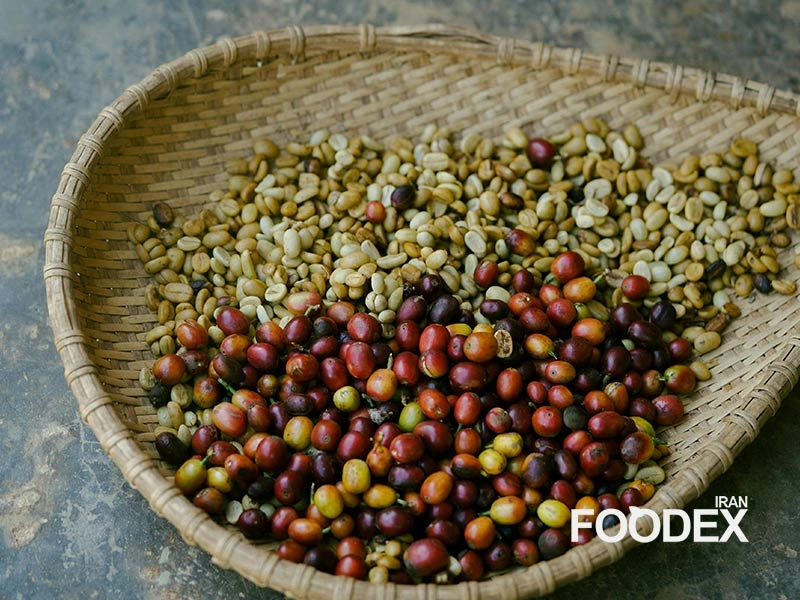
2- The Journey to Yemen and the Dawn of “Arabic Wine”
Coffee beans in Ethiopia started to cross the Red Sea into the Arabian Peninsula in the 15th century, particularly Yemen. The Yemenis first cultivated coffee and developed the methods of roasting and preparing the drink. From Mocha, the premier Yemeni port, coffee exports boomed, and the seaport became synonymous with superior coffee throughout the ages.
In the Arab world, coffee soon became popular and was named “Qahwa”, which initially meant a wine or drink. Due to its invigorating and sociable impact, it was sometimes called “Arabic wine”. Great cities like Mecca, Cairo, Damascus and Istanbul soon gave birth to the coffee houses (Qahveh Khaneh). These were far more than coffee shops in these venues;<< they became vital centres of socialising, news, politics, philosophy, chess, music, etc., as essential venues for communal life. Because it gained popularity, coffee sometimes became a target of religious and political leaders who believed it disrupted mosques and could be banned, though the bans never lasted long.
3- Entry into Europe: From “Bitter Invention of Satan” to Enlightenment Cafés
European countries learned about coffee in the 17th century thanks to trade relations with the Ottoman Empire and Venetian merchants. Historical records show Europeans initially approached the dark, bitter drink with trepidation. In some groups, the drink was called the “bitter invention of Satan”. A famous legend relates how, in the early part of the 17th century, Pope Clement VIII took a sip of coffee before he would consider prohibiting it. He enjoyed it so much that he said, “This devil’s drink is so delicious… we should baptize it to trick the devil!”. This action contributed to the fact that coffee became known to the public (though the story is probably more symbolic than factual).
Coffee houses became popular in Europe in a very short time. The first opening was in Venice, followed by essential coffee houses in London, Paris, Vienna, and Amsterdam. Coffee houses all over Europe, like those in the Arab world, became critical social hubs. They met in London for merchants, writers, politicians, and scientists. By way of example, the historic insurance venue now known as Lloyd’s of London was established inside a coffee house. Such Enlightenment philosophers as Voltaire and Rousseau frequented cafés in Paris. As a popular legend goes, the Ottoman departure left coffee sacks, which in turn became the idea of opening Vienna’s first cafés.
4- Breaking the Monopoly & Global Cultivation: The Seed’s Journey to the Colonies
For decades, the Arabs and Ottomans had a monopoly on the production of coffee by prohibiting the export of viable beans. In response to increased European need, the colonial powers tried to obtain seeds or live plants for growth in their colonies.
The Dutch triumphed belatedly in the late 17th century, smuggling off coffee plants from Yemen and pioneering cultivation in their territories on Java (now Indonesia). After that, the French received a coffee plant (a generous gift from the Mayor of Amsterdam) as a present from King Louis XIV. According to some accounts, during the 1720s, a French naval officer, Gabriel de Clieu, got a coffee seedling from Paris to Martinique in the Caribbean with careful attention and the sharing of type water with the plant. Most coffee plants in Central and South America are believed to be found in this specific seedling.
5- Coffee in the Americas and the Rise of Production Giants
From the Caribbean, coffee cultivation quickly spread throughout Latin America. The climate in many of these regions proved ideal for coffee growth. Brazil gradually became the world’s largest coffee producer, a position it holds today. Colombia also gained fame as a producer of high-quality Arabica coffee. The coffee industry played a pivotal role in the economy and even many Latin American countries’ social and political history.
Although tea was initially more popular in North America, events like the Boston Tea Party and increased taxes on tea helped boost coffee’s popularity as a “patriotic” beverage.
6- Coffee in the Modern Era
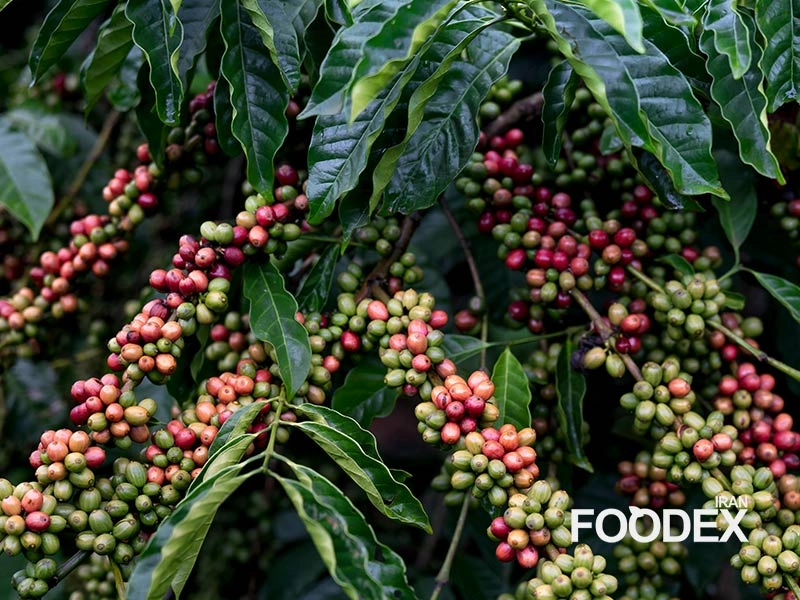
Today, over 50 countries in the “Coffee Belt” (the area between the tropics of Capricorn and Cancer) produce coffee, employing millions of farmers. Coffee still defines the global agriculture, having a complicated system and an endless number of consumers, as the latter is exposed in subsequent sections. This story shows how a humble bean united the world and transformed cultures and economies.
Scientific Understanding of Coffee: From Plant to Chemical Compounds
A critical understanding of the flavour and quality variation in global coffees and the effects of the process and roasting depends on the coffee bean’s botanical identity and, more than anything else, its chemical makeup. Every cup of coffee signifies the complex science behind it.
1- Botanical Classification: The Large Coffea Family
All genuine coffees are derived from plants in the Coffea genus under the Rubiaceae family. Despite over 120 species comprising this genus, only two account for over 98% of global commercial coffee production:
Coffea arabica (Arabica): Arabica is famous for its excellent taste, exquisite flavour, and aromatic properties, with production accounting for approximately 60% or more of the world total. Unlike Robusta, Arabica is characterised by a sweeter taste, with higher acidity that tends to be attractive, and much less caffeine. This animal species is more environmentally sensitive and has specific growing conditions: soils from 900 to 2000 meters in elevation, moderate temperature, and rainfall. These requirements call for increased resource investment to grow Arabica, thus increasing its susceptibility to pests and diseases, including coffee leaf rust. The Arabica’s provenance, as described in the history, extends to Ethiopia’s highlands, perhaps sourced from the early Arab trade. Arabica coffee is the source of the best and highest-priced blends worldwide.
Coffea canephora – known as Robusta: Approximately 30 to 40 per cent of all coffees produced in the world are of this species. The name “Robusta” is given to the plant due to its robustness and inherent toughness. Robusta grows well in low altitudes and warmer, wetter climates, is less affected by insects and diseases, and produces more crops. Robusta beans are known for their strong, bitter taste, reduced acidity, and stronger body. The main difference is its significantly higher caffeine content; in some cases, it can go up to 2.5%, with an average of 1.5% for Arabica. Due to its unique flavour and reduced price, Robusta is frequently used in espresso blends to improve crema and intensity and instant and cheap coffee mixtures. Its origin is Sub-Saharan Africa. Source: International Coffee Organisation (ICO) and familiar scientific sources; approximate production and caffeine percentage: International Coffee Organisation (ICO) and other general scientific sources.
Other Species: Coffea liberica and Coffea excelsa can still be found, but in minimal numbers, mainly in some areas of Asia and Africa, giving unique, but scarce flavours. Moreover, hundreds of cultivars and varieties of Arabica and Robusta have been introduced; some formed due to deliberate breeding and spontaneous mutations; some of the best known are: Typica, Bourbon, Geisha, Catur. Their flavour variants and environmental compatibility are essential in the diverse character of the world coffee market.
2- Structure of the Plant and Coffee Fruit (Coffee Cherry)
The coffee plant is naturally an evergreen large shrub or small tree, typically pruned to a lower height in commercial cultivation to facilitate harvesting. Its main components include:
Roots, Stems, and Leaves: Form the overall structure. The leaves are dark green, glossy, and usually oval-shaped.
Flowers: Coffee flowers are white, highly fragrant (similar to jasmine), and usually appear in clusters. Arabica flowers are mainly self-pollinating, while Robusta requires cross-pollination. The lifespan of the flowers is short.
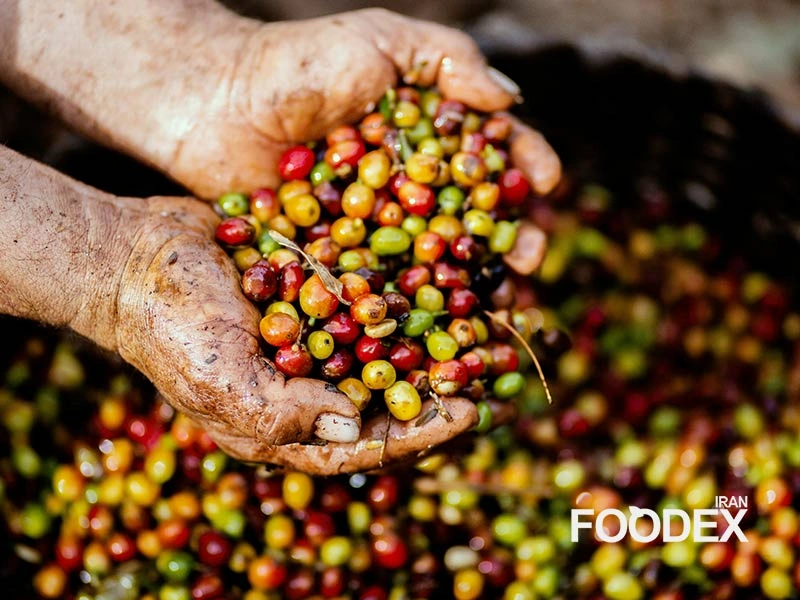
Fruit (Coffee Cherry): This is the primary economic product of the plant. The coffee fruit is a drupe, commonly called a “cherry.” Ripe coffee cherries turn bright red, dark red, purple, or sometimes yellow, depending on the species and cultivar. Understanding the structure of the coffee cherry is crucial for comprehending processing methods. Each cherry, from the outside in, consists of the following layers:
- Outer Skin / Exocarp: The thin, colored skin of the cherry.
- Pulp / Mesocarp: A fleshy, sweet, and mucilaginous layer beneath the skin, rich in sugars.
- Mucilage / Pectin Layer: A slimy, sticky layer covering the bean, playing a significant role in processing (especially in honey and natural methods).
- Parchment / Endocarp: A hard, protective shell resembling parchment paper that encloses the bean(s). Coffee after initial processing and before final hulling is often stored and transported as “Parchment Coffee.”
- Silverskin / Testa / Spermoderm: A very thin, silvery membrane directly attached to the bean. Some of this layer might remain in the center cut of the bean even after roasting.
- Bean / Endosperm: The main, valuable part we know as the coffee bean, which is roasted, ground, and brewed. Typically, there are two beans (Flat Beans) inside each cherry, facing each other on their flat sides. Occasionally, only one round bean develops inside the cherry, known as a Peaberry, which some believe has a more concentrated flavor.
3- Key Chemical Compounds in Green Coffee Beans
Unroasted green coffee beans contain hundreds of chemicals, and many contribute to producing the desired final flavours and aroma after they are roasted.The most important chemical groups include:
- Alkaloids: This diverse group of naturally occurring, nitrogen-containing compounds is prevalent in many plants, including coffee. They often exhibit notable physiological effects and serve protective functions within the plant. In coffee, alkaloids significantly influence the brew’s characteristics, contributing to its bitterness and stimulant qualities, with caffeine and trigonelline being the most prominent examples.
- Caffeine: It’s the most famous element in coffee and the primary cause behind its stimulating effects on the central nervous system. Caffeine also contributes to bitterness. It is also observed that in Robusta beans, caffeine levels are significantly higher than in Arabica. Caffeine acts as a natural pesticide in the coffee plant.
- Trigonelline:As well as adding to its bitterness, more fundamentally, it breaks down during roasting to produce niacin (a.k.a. Vitamin B3) and essential aromatic compounds, such as pyridine.
- Chlorogenic Acids (CGAs): These are an outstanding group of phenolic compounds consuming a not insignificant part of the green bean dry mass, typically between 5 and 10%. CGAs affect the coffee’s acidity, astringency, saltiness and bitterness, and have demonstrable antioxidant properties. Through roasting, the conversion of CGAs is transformed chiefly into the forms of quinic and caffeic acids and a large number of aromatic compounds.
- Other Organic Acids: Together, citric acid produces citrusy features of the coffee, whereas malic acid adds apple-like fruity flavour tones, and lesser acids contribute to the overall perceived acidity (brightness) of the coffee. There are differences in composition and concentration between various coffee species that exist and their growing regions.
- Carbohydrates: Sucrose support is essential for Maillard and caramelisation reactions during roasting, both of which have been promoted. There are also cellulose fibres in the composition of the coffee beans.
- Lipids (Oils): Coffee beans contain oils (mainly triglycerides) trapped within the green bean. These oils migrate towards the surface during roasting and play a crucial role in retaining volatile aromatic compounds and contributing to the coffee’s mouthfeel and body. Oxidation of these oils in stale coffee can cause unpleasant flavours.
- Proteins and Amino Acids: Proteins, combined with free amino acids, constitute a small part of the total weight of beans and play an essential part in the Maillard reactions during roasting beans. Sugar drying out with the help of heat, together with amino acids, creates a wide range of compounds, which make roasted coffee so rich, complex, aromatic and brown.
- Volatile Aromatic Compounds: Although green coffee beans carry only a handful of volatile aromatic compounds, roasting produces over 800 volatile aromatic molecules through the Maillard reaction, caramelisation and breakdown of trigonelline and CGAS. Ketones, aldehydes, esters, pyrazines, and sulfur compounds all contribute to coffee’s overall variety of scent.
- Minerals: Coffee beans contain potassium, magnesium, phosphorus, and traces of other minerals.
4- Influence of External Factors on Bean Chemistry
Several factors influence the precise chemical composition of a green coffee bean:
- Species and Cultivar: Significant differences exist between Arabica and Robusta (e.g., caffeine, CGAs). Different cultivars within each species also have varying chemical profiles.
- Origin (Terroir): The environmental aspects that include altitude, soil composition, sunlight, climate, and precipitation (terroir) determine crop metabolism, which in turn determines the chemical composition of the beans. Beans from different regions, therefore, acquire unique taste patterns.
- Farming Practices: How a farm is run also impacts the chemical composition of the beans, with methods of fertilisation, irrigation and pest control all playing their role.
Understanding this scientific basis enables us to appreciate fully the crucial role of processing methods (started immediately after the cherry harvest) and roasting in the alteration of these compounds and consequently the flavour of the coffee we all appreciate, which will be dealt with in the following parts.
From Cherry to Green Bean: Coffee Processing
Processing, which is initiated shortly after harvesting coffee cherries, is the most significant element determining the final flavour of our brewed coffee. The method seeks to separate the beans from their fruit casing. It dries them to a comparable moisture level (less than around). Both processing techniques produce distinct flavour attributes in the same batch of beans, which is essential to appreciate coffee diversity.
The three primary methods of coffee processing globally are:
1- Washed Process (or Wet Process)
This approach is preferred by many in delivering coffee with excellent clarity, acidic attacks, and is able to project the unique characteristics of the bean’s origins and types. It is generally considered a distinguishing factor of high standards.
Main Steps:
Pulping: Coffee cherries are pressed through mechanical pulpers to remove the skin and a large portion of the pulp from the parchment-covered beans, which are still coated in a mucilage layer. This is usually done within hours of harvesting.
Fermentation: The pulped beans, still bearing the sticky mucilage layer, are transferred to large tanks (usually concrete or tiled) and covered with water. In this stage, enzymes, beneficial bacteria, and yeast are combined to dissolve the pectinaceous and sugary layer. Fermentation time may range from 12 to 48 hours, or even reach up to 72 hours, depending on temperature, the thickness of the mucilage, and the use of the control methods, and this should be monitored closely to prevent excessive fermentation and development of unwanted vinegary flavours.
Washing: After fermentation and once all the mucilage has been completely processed, the beans are given a proper wash using clean water to clean the parchment skin and all mucilage residues.
Drying: The parchment-covered beans, after washing, are transferred onto specified drying beds for processing.
Flavour Characteristics: The washed coffees are usually characterised by their freshness, bright acidity, and light body, with the primary flavours from the bean and the origin (floral, fruity, citrus, etc) and not processing.
Notes: Water usage from this method is highly intensive, and the correct disposal of wastewater faces environmental issues. Consistency in control regarding fermentation helps to play an essential role in achieving superior quality coffee.
2- Natural Process (or Dry Process)
This is the oldest and most traditional method of coffee processing, utilising much less water, with the entire drying process occurring with the whole fruit intact.
Main Steps:
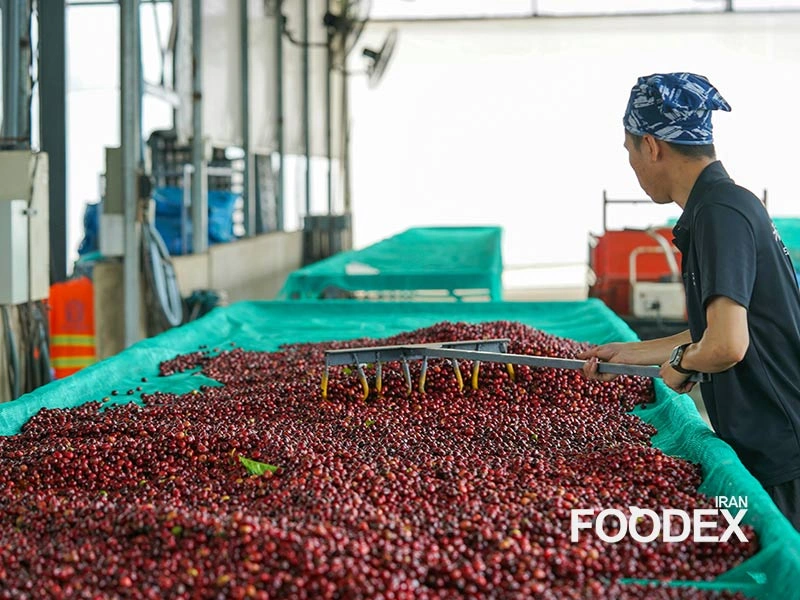
Drying the Whole Cherry: After the harvest, the coffee cherries are spread in a single layer over the large concrete surfaces (patios) or raised mesh beds (raised beds or African beds) to dry under the sun. This delicate process requires turning the cherries regularly to prevent mould, undesired fermentation, and uneven drying. This process takes a different amount of time, depending on the weather, and sometimes takes from several days to even several weeks, depending on the moisture in the cherry, which should be a certain point (10-12%).
Hulling: Once the beans are well dried, they are mechanically harvested using hullers to break off all the other dry outer layers, including the skin, pulp and mucilage, and parchment.
Flavour Characteristics: Natural coffees are marked by their intense sweetness, milder acidity, whole body and special, often fruity and sometimes fermenty, flavours like berries, tropical fruits, raisins and winey hints, all due to prolonged contact with drying sugars in pulp and mucilage.
Notes: This method demands extreme precision during drying. If not done correctly, there’s a high probability of developing defects (mouldy, over-fermented, earthy tastes). This method is more common in regions with a distinct dry season following the harvest (like Brazil or Ethiopia).
3- Honey Process (or Pulped Natural / Semi-Washed)
This method, particularly popular in Central American countries like Costa Rica and El Salvador, combines elements of the previous two methods. Its goal is to achieve a balance between the flavour clarity of the washed method and the sweetness and body of the natural method.
Main Steps:
Pulping: Like the washed method, the cherry’s skin and pulp are removed.
Drying with Mucilage: Unlike the washed method, the underwater fermentation and subsequent washing stages are skipped. The beans, still coated with their sticky, sweet mucilage layer (“honey”), are transferred directly to patios or African beds for drying. The amount of mucilage left on the bean can be controlled, leading to different classifications like Yellow, Red, or Black Honey, indicating progressively more mucilage and longer drying times.
Hulling: The parchment skin (with the dried mucilage attached) is removed from the bean after drying.
Flavour Characteristics: Honey processed coffees usually feature pronounced sweetness, balanced acidity (less than washed, more than natural), medium to heavy body, and fruit notes that are often milder and cleaner than natural ones.
Notes: This method requires significant skill in controlling the drying process, as the sticky mucilage makes the beans susceptible to moisture absorption and mould growth.
4- Other Processing Methods
Wet-Hulling (Giling Basah): This unique method, predominantly used in Indonesia (especially Sumatra), involves pulping, sometimes a short fermentation, washing, and then partially drying the parchment coffee to a relatively high moisture content (e.g., 30-50%). At this stage, the parchment layer is removed by special hulling machines, and the “naked,” moist beans are sent for final drying. This method creates a very distinct flavour profile: very heavy body, very low acidity, and earthy, herbaceous, sometimes smoky or forest-floor notes.
Anaerobic Fermentation: A newer trend in the speciality coffee world involves conducting the fermentation stage (usually within a Washed or Honey process) in sealed, oxygen-deprived environments (like sealed stainless steel tanks). Sometimes specific yeasts or even other fruits are added to these tanks. This method can lead to intense, different, and occasionally unexpected flavour profiles (often winey, intensely fruity, or spicy).
The Critical Importance of Drying:
Whatever approach to initial processing one chooses, drying the beans, whether in parchment or as whole cherries or after wet-hulling, is an obligatory and universal part of the process. The final purpose is to reduce the bean’s moisture content to 10 – 12 per cent. Increased moisture content will allow mould to develop and beans to spoil, whereas insufficient moisture content can damage the beans’ tissue and reduce quality in terms of roasting. Beans can be sun-dried naturally on patios or elevated African beds with good airflow, or they can be used in mechanical dryers, which work well in humid regions or when detailed control is required.
Final Steps After Drying
After reaching the optimal moisture content, the coffee typically rests for a period (Resting) before undergoing the final steps before export or roasting:
Hulling: Removing the parchment layer (in Washed and Honey methods) or all dried layers (in Natural and Wet-Hulled methods).
Polishing (Optional): Sometimes done to remove any remaining silverskin and improve the bean’s appearance.
Grading and Sorting: Beans are classified based on size, density, and sometimes colour. Defective beans (broken, damaged, unripe, insect-damaged, etc.) are removed using sorting machines (by weight, size, or colour) and/or manually (Hand-sorting), especially for speciality coffees, to ensure the final product quality.
Now, the green coffee bean is ready for packaging in burlap sacks (usually 60 or 70 kg) and shipment to various parts of the world for the next stage: roasting.
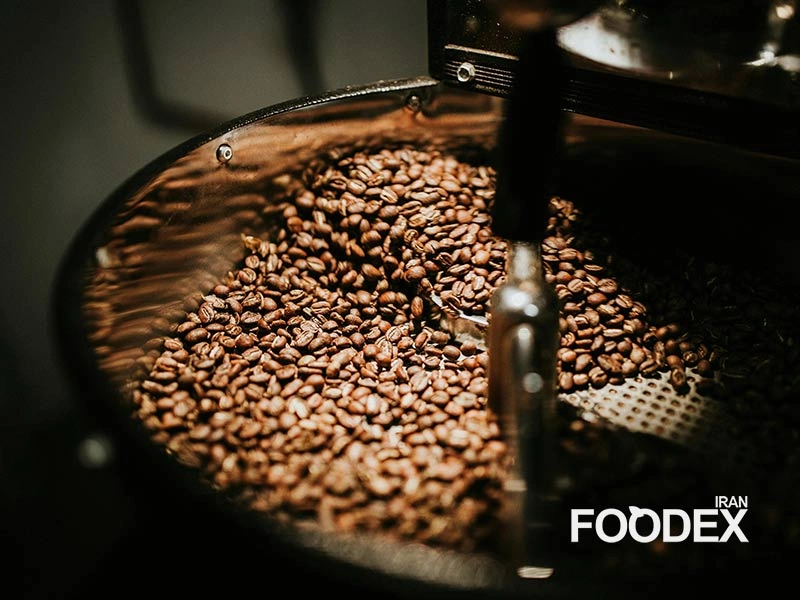
The Art and Science of Coffee Roasting: Transforming Green Beans into Brown Gems
Processing defines the basic character of the coffee beans, whereas roasting brings out and magnifies this identity until it reaches its maximum level. Even though various complex chemical compounds were examined in the previous section, the green coffee beans do not yet have the characteristic aroma and taste of coffee. The controlled use of heat in conjunction with chemical reactions changes bean structure, resulting in a veritable forest of new flavour and aroma compounds, thereby unleashing its true potential. Roasting merges artistic intuition, polished by taste and smell, with the precise science of why we manipulate parameters like temperature, time required and airflow in unique equipment.
1- The Roasting Process: What Happens Inside the Bean?
Green coffee beans are introduced into something that looks like a rotating drum and heated with gas or electricity. During roasting, which lasts approximately 8 to 20 minutes, depending on the machine and profile wished for, significant physical and chemical changes occur:
Physical Changes
- Colour: The bean changes colour from green to yellow, light brown, dark brown, or even black.
- Size and Density: Due to the expulsion of water vapour and carbon dioxide gas, the beans expand, nearly doubling in size, but their weight decreases (by about 12-20%) due to moisture evaporation. Consequently, the bean’s density decreases.
- Cracks: The bean’s cellular structure weakens under pressure, resulting in two distinct, audible cracking stages.
- Oil: In darker roasts, intracellular oils migrate to the bean’s surface, creating a shiny, oily appearance.
Chemical Changes (Key Reactions)
Drying Phase: During this phase, the extra moisture in the green beans evaporates out at temperatures around 100-150°C.
Maillard Reactions: At a temperature of 150°C, the flavors and aromas in coffee result from a type of reaction called a Maillard Reaction. When sugars and amino acids are reduced, it leads to the formation of several other compounds. Even so, melanoidins are unlike others since they give the crust a brown color, increase the sugar levels in the dough, and greatly impact the smell and taste (with nutty, toasted, and chocolate qualities).
Caramelisation: From 170°C and above the 200°C mark, the sugar in the bean changes and starts to brown. So, caramelisation gives coffee its sweetness, bitterness, acidic (due to organic acids) taste, and a characteristic aroma, with caramel flavors in most roasts and sometimes burnt ones in darker roasts.
Strecker Degradation:Under the Maillard reaction or related to it, amino acids are degraded into aldehydes and ketones which provide the main flavors and aromas to your brew.
Acid Degradation: The CGAs in green beans are almost completely degraded in the brewing process, turning into quinic and caffeic acids, reducing the acidity and bitterness sensed in the drink. More organic acids might also be found to degrade or form.
Development of Volatile Aromatic Compounds: Coffee’s odor comes from developing Volatile Aromatic Compounds as other compounds break down.
First Crack: Once the inner temperature of the bean reaches 196-205°C (385-401°F), the pressure inside the bean breaks apart the cells which causes the first sound, much like popping popcorn. The first crack is when the light roast stage of the process begins and the beans continue to expand rapidly.
Development Time: The ‘development time’ refers to the period running between when the first crack occurs and when you finish roasting the coffee. Mailling is important, since it is during this phase that many vital flavors appear. The final taste of the coffee is adjusted by the master roaster by watching over the roasting time carefully.
Second Crack: With temperature still increasing, the cells in the bean become more solid and crack more. As a result, you will hear another crackling sound that tends to happen faster and quietly than the first. You start with medium-dark coffee and then dark roast coffee at this stage. Here, or only a little after, oils can be spotted on the bean’s skin.
2- Degrees (Levels) of Roasting (Roast Levels)
Although naming conventions can vary slightly, the primary roast levels can be categorised based on bean colour and when the process is stopped relative to the first and second cracks:
Light Roast: The process is stopped shortly after the first crack begins or during it. Bean is light brown (cinnamon), and the surface is dry with no oil. This level best preserves the inherent origin characteristics of the coffee (fruity, floral flavours, high and bright acidity). The body is typically lighter. (Caffeine content per bean weight is slightly higher than in darker roasts.)
Medium Roast: The process is stopped somewhere between the end of the first crack and just before the second crack begins. Bean colour is medium brown, and the surface is usually still dry. This level offers a good balance between acidity, sweetness, and body. Origin flavours are still discernible, but notes derived from the roasting process (like caramel or chocolate) start to appear. This is the most popular level for many commercial and home coffees.
Medium-Dark Roast: The process is stopped at the beginning of the second crack or slightly into it. Bean colour is dark brown, and the surface has a slight sheen or patches of oil. Acidity is significantly reduced, the body is heavier, and bittersweet flavours, along with roasting notes (caramel, mild smokiness), become more dominant. Origin characteristics are more muted.
Dark Roast: The process continues into the middle or even past the end of the second crack. Bean is very dark brown to nearly black, and the surface is distinctly oily and shiny. Acidity is virtually eliminated, the body is heavy, and dominant flavours include bitterness, smokiness, and “roasty” notes. The roast flavours almost entirely overshadow the original origin characteristics. This level is often used for espresso blends in the Italian style. (Caffeine content per bean weight is lower than in light roasts.)
3- The Role of the Master Roaster
Roasting coffee involves a high level of expertise. A roaster must think about the beans’ species, where they come from, their density and how wet they are and should consider the kind of coffee you want when crafting a Roast Profile. To get the effect you want, you have to adjust the temperature, time setting, rotation rate, and amount of air controlled by the machine.
4- Rapid Cooling
After attaining the ideal roast, quickly cool off the beans by exposing them to cold forced wind or a short water spray; it is essential to halt the reactions, stop the beans from darkening, and maintain their flavors.
5- Degassing
Because carbon dioxide gas has been held inside the beans, it is released in significant amounts after they are roasted. The degassing process can continue for a few days or up to two weeks. Reusing excess gas from the coffee before sealing it or serving it as espresso is essential. This is why coffee bags usually include a valve that enables CO2 to escape while keeping oxygen in.
After roasting, the coffee beans are set to be ground and brewed to turn into coffee.

Grinding and Brewing: Extracting the Magic of Coffee
After the green coffee beans have reached their peak flavor and aroma potential through the art and science of roasting, two final and crucial steps remain to transform this potential into a delightful beverage: Grinding and Brewing. How these two stages are performed directly impacts the taste and quality of your final cup of coffee.
1- Grinding: The Gateway to Flavor
Why Grind? By grinding, you aim to make the coffee beans more exposed to the water. Boiled water can only remove the dissolvable material and fragrant aromas from the coffee grounds’ surface. Ground coffee requires less water and its greater surface area allows for better release of the taste and smell.
Importance of Freshness: Freshness plays a crucial role when it comes to grinding. As soon as your coffee is ground, its scent is lost, and it begins to be exposed to oxygen and gets stale. For the best flavour, grind the beans before starting to make coffee.
Grind Size Matters: Perhaps the most important factor in grinding is the size of the ground particles; the size of the particles must be suitable for the brewing method that was selected because the contact time between water and coffee is directly related to the grind size; coarser particles allow water to pass through more quickly and require longer contact time for sufficient extraction, while finer particles have more surface area, resulting in faster extraction and requiring shorter contact time. Standard grind sizes include:
Coarse Grind: Resembles coarse sea salt; suitable for methods with long contact times like French Press or Cold Brew, to avoid over-extraction, excessive bitterness, and too much sediment in the cup.
Medium Grind: Resembles coarse sand. This size is suitable for most standard Drip Coffee Makers and many manual Pour Over methods like Chemex or V60 (although slight adjustments finer or coarser can be made for these methods).
Fine Grind: Resembles table salt or slightly finer. Used for methods with short contact times and/or high pressure, like Espresso, Moka Pot, or Aeropress (depending on the brewing technique) to enable extraction within the short time frame.
Extra Fine / Turkish Grind: A powder-like consistency, similar to flour. Used exclusively for Turkish Coffee, where the coffee grounds remain in the beverage.
Consistency is Key: Besides the size, the uniformity (Consistency) of the ground particles is crucial. The extraction will be uneven if your grinder produces particles of vastly different sizes (very coarse and very fine). Fine particles will over-extract, yielding bitter and burnt flavours, while coarse particles will under-extract, creating sour and watery tastes. The result is an undesirable cup of coffee.
Types of Grinders
Blade Grinders: Inexpensive, using a spinning blade to chop beans. This type produces highly inconsistent particle sizes and is not recommended for quality coffee.
Burr Grinders: Use two different abrasive surfaces to evenly grind the beans between them. They ensure a consistent grind and make it easy to choose the right size which is important for good coffee. Burr grinders also come in the form of conicals or flats and each style has different advantages.
2- Brewing: The Extraction Process
Brewing is dissolving desirable soluble compounds from ground coffee into water. The quality of this extraction depends on several key factors:
Water Temperature: The ideal water temperature for brewing coffee is typically recommended to be between 90-96°C (195-205°F) (standards like the SCA Gold Cup suggest this range). Water that is too cool results in under-extraction and a sour taste. Water that is too hot (boiling) can cause over-extraction of bitter compounds or even scald the coffee grounds.
How to Make Authentic Turkish Coffee
DiscoverWater Quality: Since over 98% of a cup of coffee is water, its quality is paramount. Tap water with high chlorine levels or unsuitable mineral content can ruin the coffee’s flavour. Using filtered water generally yields better results.
Coffee-to-Water Ratio (Brew Ratio): The amount of ground coffee in relation to the volume of water used. It plays a role in the strength and taste of the finished drink. The SCA suggests that, as a first step, you use 1 gram of coffee for every 15 to 18 grams of water. Adjust the ratio to your liking and the type of brewing you are using.
Contact Time (Brew Time): When water is in contact with the coffee grounds. This time should be coordinated with the grind size (coarser grind = longer time; finer grind = shorter time).
Agitation / Turbulence: The movement or stirring of coffee grounds during brewing affects the extraction rate.
Categorisation of Main Brewing Methods
Innumerable methods exist for brewing coffee, but they can be grouped into a few main categories based on their extraction principles:
Immersion: In this method, the ground coffee is fully submerged in water for the entire brew. Filtration occurs at the end of the process. Examples: French Press, Clever Dripper, Cold Brew, Cupping (for evaluation). Typically requires a coarser grind.
Drip / Pour Over: Hot water is gradually poured over a bed of ground coffee in a filter (paper, metal, or cloth), and gravity pulls the water through the grounds. This method allows greater control over variables (pour rate, temperature, etc.). Examples: Standard automatic Drip Coffee Makers, Hario V60, Chemex, Kalita Wave. Grind size is usually medium.
French/Drip Coffee Preparation: A Guide for the Coffee Aficionado
DiscoverPressure: Warm water is pushed through a compacted bed of finely powdered beans using pressure.
Espresso: Water is pushed quickly and forcefully through tightly packed, finely ground coffee beans. As a result, the beverage is highly concentrated, topped with reddish-brown foam called crema, which forms the base for most other drinks like lattes and cappuccinos.
Moka Pot: In a Moka Pot, pressurized steam forces water from the lower part of the pot up to the ground coffee above it. After brewing, the coffee is powerful and rich, though it is not called espresso.
Aeropress: A manual brewer that uses air pressure (often combined with immersion) to brew coffee. It is highly versatile and can be used with various grind sizes and brewing styles.
Boiling / Decoction: Ground coffee is boiled directly with water.
Turkish Coffee: Requires an extra-fine, powder-like grind, mixed with water (and sometimes sugar) in a special pot called an Ibrik or Cezve. It is slowly heated to near boiling (without actually boiling over). The coffee is served with the fine grounds remaining in the cup.

Common Coffee Drinks
Based on these core skills, many other beverages are created, mainly espresso drinks such as Caffè Latte, Cappuccino, Americano, Macchiato, Flat White, Mocha, etc.
Properly grinding and brewing your coffee ensures you get the best taste and aroma from the beans.
How to Make Popular Starbucks Drinks at Home
DiscoverHealth Aspects of Coffee: A Look at Benefits and Considerations
Coffee, consumed daily by countless people, has often been the topic of conversations and research exploring how it affects health. There are many opinions about this drink, ranging from promises of living longer to worries about sleep and anxiety. The section aims to give a fair view of coffee using the latest scientific information, looking at what is good and what to consider. You should remember that the way coffee affects people can be very different.
1- Key Bioactive Compounds
As discussed in the scientific understanding section, coffee contains numerous compounds that affect the body’s physiology:
Caffeine: The most well-known compound, a central nervous system stimulant that increases alertness.
Polyphenols (like Chlorogenic Acids – CGAs): A large group of antioxidants that help combat oxidative stress in the body.
Diterpenes (like Cafestol and Kahweol): Found mainly in unfiltered coffee (e.g., French Press, Turkish coffee, boiled coffee), they can increase LDL cholesterol in some individuals. Paper filters effectively remove them.
Melanoidins: Compounds formed during roasting that possess antioxidant properties.
Trigonelline: A precursor to Vitamin B3 (Niacin).
Minerals: Such as magnesium and potassium.
2- Potential Health Benefits
According to a broad range of academic studies, years of observations, combined meta-analyses, and review reports, a consistent habit of moderate coffee consumption might positively affect health. However, it is significant to point out that these findings suggest ‘association’ and not necessarily cause and effect’. To ensure that many topics are covered, further controlled clinical research is still necessary. For this reason, researchers have suggested that drinking coffee may lead to positive health outcomes in several areas.
Increased Alertness and Cognitive Function: Reaction time, focus, and mental alertness are improved, and fatigue is lowered, thanks to caffeine. Some observers have suggested that having coffee over the long term could help reduce the risk of getting age-related mental disorders and diseases like Alzheimer’s and Parkinson’s. Nevertheless, a more detailed investigation is necessary to confirm this.
Improved Physical Performance: Athletes in endurance sports may benefit from caffeine since it improves adrenaline and helps release energy from fat.
Possible Reduced Risk of Type 2 Diabetes: According to studies, those who drink coffee (including decaffeinated) are at reduced risk of Type 2 diabetes. It is not yet known how it works, but antioxidants play a role in improving insulin sensitivity and glucose use.
Liver Health: Scientists have found that drinking coffee may decrease the risk of cirrhosis and liver cancer, caused by alcohol or hepatitis.
Cardiovascular Health: A 2017 umbrella review published in The BMJ reported associations between coffee consumption and a lower risk of some cardiovascular outcomes in observational studies. These associations do not establish that coffee causes the reduction in risk and should not become a general recommendation to start drinking coffee or increase consumption. Caffeine can also temporarily raise blood pressure, so individual responses and health conditions matter when assessing intake.
Coffee and Depression: A prospective cohort study published in 2011 among US women found an association between caffeinated coffee consumption and a lower risk of developing depression. The study was observational and cannot establish that coffee caused the reduction in risk. This finding alone does not justify recommending that people start drinking coffee or increase consumption to prevent or treat depression.
Coffee and Mortality: A prospective cohort study published in 2012 followed US adults who were aged 50–71 at enrolment. After statistical adjustment for factors including smoking, coffee consumption was associated with lower mortality during follow-up. However, an observational study cannot fully rule out the influence of other factors. This finding does not establish that drinking coffee extends lifespan.
Antioxidant Compounds: Coffee contains phenolic compounds, including chlorogenic acids. Roasting can change the amount and composition of substances with antioxidant activity, so chlorogenic acid content alone is not a complete measure for comparing the antioxidant activity of different coffees. The presence of these compounds, or antioxidant activity measured in experiments, does not by itself establish that a particular coffee product prevents disease.
3- Potential Downsides and Important Considerations
People respond differently to coffee, and some potential adverse effects relate to its caffeine content. The US Food and Drug Administration (FDA) notes that sensitivity to caffeine and the rate at which the body eliminates it vary between individuals. Certain medicines and health conditions can also affect tolerance. Important considerations include the following:
Sleep Disruption and Insomnia: Caffeine can make it harder to fall asleep and reduce sleep duration or quality. In a controlled trial published in 2013, 400 mg of caffeine disrupted participants’ sleep even when taken six hours before bedtime. This finding relates to the specific dose and conditions studied; a six-hour interval does not guarantee that caffeine will have no effect on everyone’s sleep. The amount consumed and individual sensitivity also matter.
Anxiety, Jitters, and Palpitations: Caffeine, particularly in large amounts or in sensitive individuals, can cause anxiety, restlessness, shakiness and heart palpitations. Assessing intake requires considering caffeine from all sources, not just coffee.
Digestive Issues: According to guidance from the US National Institute of Diabetes and Digestive and Kidney Diseases (NIDDK), coffee and other caffeine sources may worsen symptoms such as heartburn in some people with acid reflux. Dietary triggers vary between individuals, so coffee’s effects should be assessed against each person’s symptoms.
Cholesterol and Brewing Method: Diterpenes in coffee oils, particularly cafestol, can raise blood LDL cholesterol. Paper filters retain much of these compounds, whereas methods such as French press and Turkish coffee generally allow more into the drink. Filter type and brewing method therefore matter when assessing this effect; a metal filter is not equivalent to a paper filter.
Dependence and Withdrawal Symptoms: Regular caffeine consumption can lead to physical dependence. Abrupt cessation may cause headaches, fatigue, difficulty concentrating or irritability. These symptoms are not limited to people consuming large amounts. For people wishing to reduce their daily intake, the FDA recommends cutting back gradually to reduce withdrawal discomfort.
Pregnancy: The UK National Health Service (NHS) advises limiting caffeine intake during pregnancy to no more than 200 mg per day. This includes caffeine from coffee, tea, chocolate and all other sources combined. Caffeine content varies with serving size and preparation method, so this limit cannot reliably be expressed as a fixed number of cups. Consult a doctor or midwife for advice suited to individual circumstances.
Iron Absorption: Drinking coffee with a meal can reduce the absorption of non-haem iron, including iron found in plant foods. This effect was observed in a controlled human study. The finding concerns iron absorption from a meal and does not, by itself, mean that everyone who drinks coffee develops anaemia. If you have iron deficiency or take an iron supplement, ask a doctor or pharmacist about the timing of coffee consumption.
Calories and Additives: Black coffee without milk, sugar or other additions contains few calories. Milk and cream increase the drink’s energy content, while sugar and sweetened syrups also contribute added sugars. Assessing the finished drink requires considering its serving size and the type and quantity of additions. For packaged products or café drinks, nutrition information on the packaging or menu, where available, provides a more useful basis for comparison.
4- Conclusion of Health Section
Cup count alone is an unreliable measure of caffeine intake. The US Food and Drug Administration (FDA) cites 400 mg of caffeine per day from all sources as an amount not generally associated with negative effects for most adults. However, individual sensitivity, medicines and health conditions can affect tolerance. Pregnancy, breastfeeding or concerns about a condition or medication warrant discussing an appropriate intake with a healthcare professional.
An association between coffee consumption and a lower risk of certain diseases does not, by itself, establish causation. For example, a 2017 umbrella review published in The BMJ highlighted the need for controlled trials to clarify whether observed associations are causal. These findings should not be interpreted as a general recommendation to start drinking more coffee to prevent or treat disease.
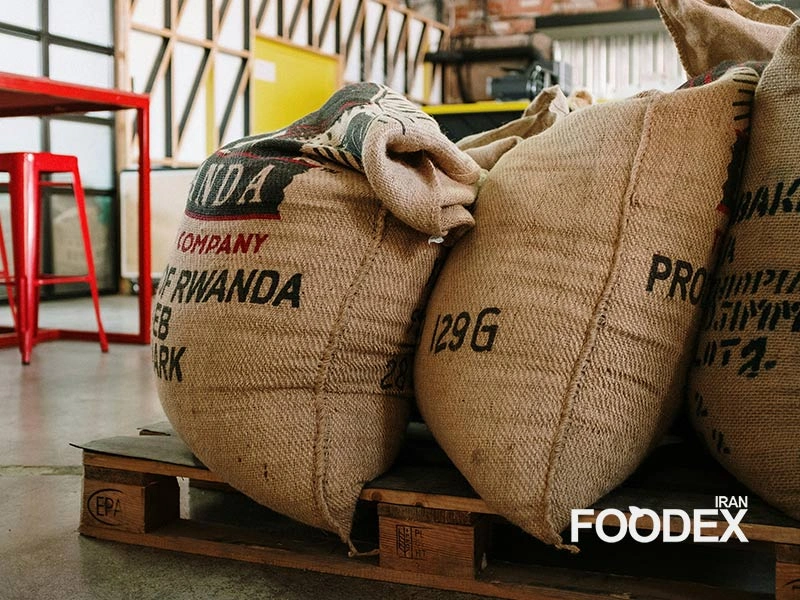
Global Coffee Market and Economics: Trade of a Billion-Dollar Giant
Coffee is an important agricultural commodity, with economic activity extending from cultivation and processing to roasting, finished products and beverage sales. Analysing the global coffee market requires a distinction between production volume, international trade value and final consumer sales. These indicators measure different stages of the value chain. The export value of green coffee, for example, should not be treated as the size of the entire coffee market, which also includes packaged products and café sales.
1- Global Production Landscape: The Coffee Belt Reigns Supreme
Most world coffee production occurs in a region near the Tropics, called the Coffee Belt.
Production Volume: According to the Food and Agriculture Organization of the United Nations (FAO), global coffee production exceeded 11 million tonnes in 2024. When comparing this figure with estimates reported for a crop year in 60-kilogram bags, both the reporting period and the unit of measurement must be aligned.
Major producers: The US Department of Agriculture’s coffee production table for the 2025/2026 marketing year lists the following five leading producers. Figures are expressed in millions of 60-kilogram bags:
Brazil: 63 million bags
Vietnam: 31.7 million bags
Colombia: 12.5 million bags
Indonesia: 12.37 million bags
Ethiopia: 11.56 million bags
Uganda, India, Honduras, Peru and Mexico also appear among the table’s ten leading producers. These figures measure production; export volumes and rankings must be assessed separately.
2- International Trade: The Global Flow of Beans
Much of the world’s coffee is part of the international trade chain, especially when the output far surpasses the local use.
Major exporters: FAO’s overview of the coffee sector identifies Brazil and Vietnam as leading exporters. Colombia, Uganda and Indonesia are also important suppliers to the global coffee market. Comparing countries’ export rankings requires a clearly defined reporting year, product category and measure—export volume or export value. A large production volume alone does not determine a country’s export ranking.
Processing and re-exports: Coffee trade analysis should distinguish exports of processed products from re-exports. A country may import green beans, roast and package them, and export the finished product. By contrast, the UN statistical definition describes re-exports as foreign goods exported in the same state as previously imported, without substantial transformation. The country exporting coffee is therefore not necessarily where it was grown; the product category and processing activities must be identified when analysing trade flows.
Major import markets: FAO’s overview of the coffee sector identifies the European Union and the United States among the world’s largest coffee import markets. The European Union is an economic bloc in this comparison, rather than an individual country. Imported coffee may serve domestic consumption, processing or re-export activities, so import volumes alone should not be treated as equivalent to a market’s domestic consumption.
Trade mechanisms: Green coffee is bought and sold through commercial contracts between sellers and buyers. In the commodity coffee market, Coffee C futures on ICE Futures U.S. provide a pricing benchmark for Arabica, while Robusta Coffee futures on ICE Futures Europe provide a benchmark for Robusta. A shipment’s agreed price can differ from the benchmark because of its quality, origin, delivery terms and contractual conditions. A futures price should therefore not be treated as identical to the final shipment price or the retail price of coffee.
3- Economic Value of the Coffee Industry
Assessing coffee’s economic value requires a distinction between production value, international trade and final consumer sales. FAO reported that international trade in coffee beans reached approximately USD 34 billion in 2024. This figure does not represent the entire coffee market, including packaged products and café sales.
Evaluating a commercial opportunity requires a defined product segment, geographical market and sales channel. Estimates for green coffee, ready-to-drink beverages and café sales have different scopes and calculation methods. Comparisons of market size and projected growth should account for these differences.
4- Price Determinants and Market Volatility
Coffee prices are known for extreme volatility, particularly at the commodity level. Prices can rise or fall sharply in short periods. The main influencing factors include:
Global Supply and Demand: The most fundamental factor; any forecast of reduced supply (due to weather or disease) or a sudden increase in demand pushes prices up.
Weather Conditions: Events like frost or drought in Brazil (as the largest producer) can have a massive impact on global Arabica prices. Rainfall patterns in Vietnam affect Robusta prices. Climate change exacerbates this volatility.
Diseases and Pests: Outbreaks of diseases like coffee leaf rust can significantly reduce production in large regions.
Global Stock Levels: The amount of green coffee held in reserves in importing and producing countries influences market sentiment and prices.
Currency Fluctuations: Since coffee is primarily traded in US dollars, exchange rate changes affect importers’ purchasing power and exporters’ revenue.
Production and Logistics Costs: Prices of inputs (fertiliser, energy), labour wages, and transportation costs.
Speculation in Financial Markets: Trading coffee futures contracts on commodity exchanges can also cause short-term price fluctuations.
Quality and product attributes: Coffee valuation extends beyond a single cupping score. The Specialty Coffee Association’s Coffee Value Assessment (CVA) considers physical characteristics, sensory descriptions, liking and information such as origin and production methods. These assessments help buyers evaluate a lot’s suitability for their target market. The final price also depends on the lot’s specific attributes and the terms of the transaction; no fixed price multiple applies to all specialty coffees compared with commodity coffees.
5- A Glimpse at Coffee Economics in Iran
Coffee imports: According to UN Comtrade data published through the World Bank’s WITS platform, Iran imported approximately 44,600 tonnes of unroasted, non-decaffeinated coffee under HS code 090111 in 2023. This figure excludes instant coffee and should not be treated as total coffee consumption or the size of Iran’s coffee market.
Import trading partners: For this product category and year, the UAE, Vietnam, India, Indonesia and Uganda were the largest recorded suppliers by weight. The trading partner is not necessarily the country where the coffee beans were grown.
Impact of Currency and Policies: The exchange rate, transportation costs, and customs/import policies heavily influence coffee prices in the Iranian market.
Growing Consumer Culture: In recent years, café culture and interest in filter and speciality coffee have grown significantly in Iran. This has increased demand for higher-quality Arabica beans, brewing equipment, and barista skills, creating a new segment in the Iranian coffee market.
Conclusion of the Economics Section
There are many participants in the global coffee market at all stages of production, trade, processing, and consumption. Even though this industry promotes many economic opportunities, it deals with unstable prices, depends a lot on weather, and is shifting towards becoming more sustainable. Everyone in the value chain needs to understand these dynamics.
Coffee in Iran: From Safavid Coffeehouses to the Third Wave and Modern Café Culture
The story of coffee in Iran is a fascinating tale of a beverage’s rise and fall – and dramatic resurgence – and its place within the culture and society. Although tea is the dominant national drink today, coffee has a much longer history. It has returned with remarkable force in recent decades, changing tastes and consumption patterns, especially among the younger generation and urban populations.
1- The Early Golden Age: Coffeehouses of the Safavid Era
Contrary to popular belief, coffee arrived in Iran before tea and was, for an extended period, the primary beverage in public gatherings. Historical evidence suggests coffee was likely introduced from the Ottoman Empire and Arab trade routes starting in the late 15th or early 16th century, coinciding with the early Safavid period.
The flourishing peak of coffee in Iran occurred during the Safavid era (particularly under Shah Abbas I). During this time, Qahveh Khaneh (Coffee Houses) rapidly grew in major cities like Isfahan (the Safavid capital), becoming vital social, cultural, and even political centres. Despite their name, these establishments initially served coffee (tea became the replacement later). According to reports from European travellers of the era (like Adam Olearius) and Iranian historical sources, Safavid coffee houses were gathering places for various social strata, from courtiers and poets to merchants and artisans. Besides drinking coffee (likely prepared similarly to modern Turkish coffee), diverse cultural activities such as Shahnameh reading, Naqqāli (storytelling), poetry recitals, debates, and social discussions were everyday. Some coffee houses gained such prestige that even Safavid kings occasionally visited them. (Source: General findings from historical studies of the Safavid era and travelogues).
Iran’s Coffee House (Ghahve khane)
Learn more2- The Decline of Coffee and the Rise of Tea
With the end of the Safavid period and subsequent eras of turmoil, followed by the rise of later dynasties like the Qajars, the prominence of coffee houses (as coffee-serving venues) gradually diminished. Several factors contributed to this shift:
Easier Access to Tea: Tea cultivation in Iran’s northern regions (which flourished from the Qajar period onwards) and easier imports via northern borders (Russia) and southern routes (British India) made tea a cheaper and more readily available beverage.
Cultural and Political Changes: Social and political transformations might also have played a role in reducing the significance of traditional coffee houses as public gathering centres.
Thus, tea gradually replaced coffee as the dominant daily beverage, and many old coffee houses converted into “Chai Khaneh” (Tea Houses) or primarily served tea.
3- The Coffee Market in Contemporary Iran
Analysing Iran’s coffee market requires distinguishing between bean sourcing, roasting, packaging and the sale of finished products. A green coffee importer faces different opportunities from a retail brand or café. Each activity needs a defined target customer, product specification, cost structure and sales channel.
Import statistics describe part of the supply chain but do not, on their own, measure per-capita consumption. Estimating the supply available for consumption requires accounting for domestic production, trade, stock changes, processing losses and differences between product forms. Estimated per-capita supply also differs from actual individual consumption, which requires evidence such as consumption surveys.
Consumption Patterns
Product Forms and Preparation Methods
Coffee market segmentation should distinguish product forms from preparation methods. Instant coffee is a processed product, whereas espresso, Turkish coffee and filter coffee describe ways of preparing the beverage:
Instant coffee: Made from dried coffee extract that dissolves when water is added.
Espresso-based drinks: Prepared using coffee extracted under pressure. Espresso forms the base of drinks such as lattes, cappuccinos and Americanos.
Turkish coffee: Very finely ground coffee is heated with water in a cezve and served without fully separating the grounds from the beverage.
Filter coffee: Water passes through a bed of ground coffee and a filter. Preparation can use an automatic drip machine or manual brewers such as the V60 and Chemex.

4- Cafés and Specialty Coffee
Cafés provide a direct point of contact between coffee brands and consumers, bringing together beverage quality, preparation and service. Roasters and suppliers can build partnerships around flavour consistency, suitability for the café’s menu, preparation training and customer feedback. Commercial opportunities in this channel should be assessed using sales data and actual customer performance.
The Specialty Coffee Association (SCA) defines specialty coffee through distinctive attributes and the additional value they create in the marketplace. These attributes can include flavour, aroma, mouthfeel, origin and production information. Specialty coffee is therefore not restricted to Arabica, single-origin beans, light roasting or a particular brewing device.
5- Coffee Cultivation and Domestic Processing
Growing coffee and roasting or packaging imported beans are distinct activities. A product may be roasted and packaged in Iran using beans grown elsewhere. Product descriptions and supply-chain analysis should therefore distinguish the country of cultivation, the processing location and the brand’s identity.
An experimental planting alone does not establish commercially sustainable production. Assessing cultivation potential requires evidence on varietal suitability for local climate and soil, farm yields, cup quality, access to resources and production costs.
6- Challenges and Opportunities
Challenges: Businesses using imported beans need to assess exchange-rate exposure, sourcing lead times, freight costs, working capital and shipment quality when planning purchases and pricing. Roasters and retailers also need reliable quality control, flavour consistency and inventory management.
Opportunities: Customer-focused product development, improved roasting and packaging, café supply services and direct sales offer potential avenues for development. Each option, including exports of processed products, should be evaluated through demand testing, cost and margin analysis, and a review of destination-market requirements.
Iran’s Coffeehouse Culture
Discover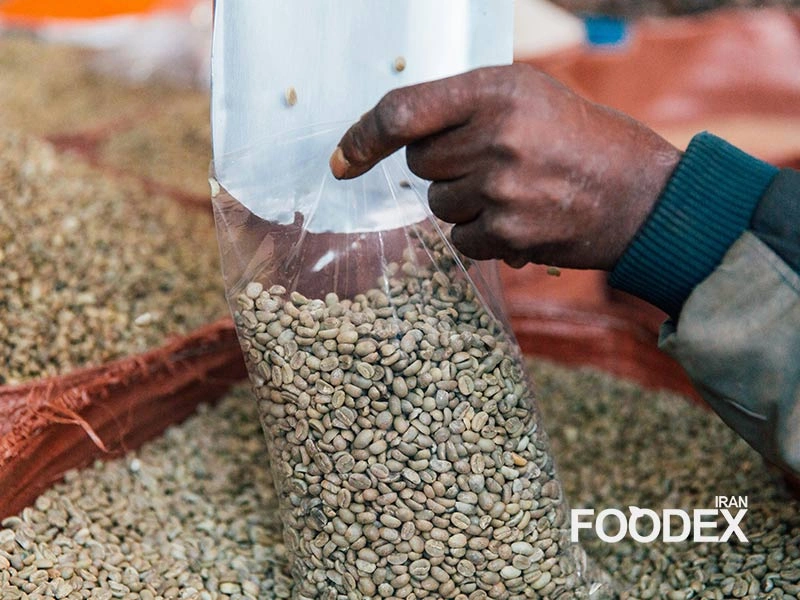
Sustainability and Environmental Challenges in Coffee Production
Coffee, this popular and energising beverage, like any other agricultural product produced on a massive global scale, leaves its environmental footprint. While well-managed coffee farms can be part of a healthy ecosystem, intensive commercial production is associated with significant environmental challenges. With increasing consumer awareness and the necessity of preserving natural resources for future generations, addressing these challenges and moving towards Sustainability is no longer just an option, but a necessity for the long-term health of this industry and our planet.
1- Water Usage & Pollution
The coffee plant needs frequent watering, either from abnormal rains or regular irrigation. Yet, the most significant amount of water is used during processing, especially in the Washed Process, which features pulping, fermenting in tanks, and washing the beans. Experts suggest that washed green coffee production can use a large amount of water, often tens of litres (the precise figure depends on different regions and how efficient the system is). Both natural and honey methods of roasting use only very little water.
Water Source Pollution: The bigger problem is the wastewater from washing and processing, commonly called aguas miasas. The discharge is acidic and contains many organic substances like pulp and mucilage. If organic waste is allowed to decay in rivers and other water sources, it uses up the oxygen, causes the death of water animals, and creates severe pollution.
Solutions: Setting up wastewater systems (such as lagoons, biological filters and anaerobic digestors to generate biogas), using less water in the washing process and choosing methods like natural and honey processing when the weather allows.
2- Deforestation & Biodiversity Loss
Historical Context: Over the years, the farming of coffee in several regions (Latin America in particular) has contributed to deforestation and habitat loss.
Sun-Grown vs. Shade-Grown Coffee
Sun-Grown Coffee: This process grows the most coffee beans, especially with Robusta and some new Arabica types. You must also remove trees that offer shade. Because of this system, biodiversity falls considerably, soil erodes, and using more fertilisers and pesticides often becomes necessary.
Shade-Grown Coffee: Coffee plants are traditionally grown in the open under the cover of local native trees to produce Arabica. These agroforestry systems support biodiversity (giving shelter to many birds and other animals that control insects), benefit the soil (by making it better and covering it from erosion), lower the use of chemicals, and hold carbon from the environment. Better quality coffee is most often cultivated under shade.
Solutions: Encourage and assist in shade-grown farming, replant forests in devastated spots, keep buffer zones,, connect wildlife zones,, and encourage Rainforest Alliance and Bird Friendly-certified coffee roasters. Policies such as the EU Deforestation Regulation (EUDR) now require companies to prove that their products do not harm the environment.
3- Soil Erosion & Degradation
Causes: Not providing terracing or contour planting, clearing vegetation, and raising flowers and coffee together can cause severe soil loss each time it rains or winds up. This leads to the loss of rich topsoil, less organic material, and reduced nutrients.
Solutions: Use terracing and contour planting to save soil, put cover crops or mulch on the soil to prevent erosion, engage in intercropping, and switch to organic farming approaches that improve soil quality.
4- Agrochemical Use
Issues: Using chemical pesticides, fungicides, and herbicides (common in sun-grown systems) may lead to water contamination, negatively affect helpful insects and predators, be unsafe for farm workers, and leave traces on the final product for consumers. Excessive use of nitrogenous chemical fertilisers leads to the contamination of waterways and a rise in greenhouse gases.
Solutions: Organic farmers should rely on Integrated Pest Management (IPM), which prioritizes watching pests and using biological methods (like insects) or traps. They must only use pesticides if necessary and when they are sure the problem must be handled with chemicals. Shifting to organic farming, applying coffee pulp compost as fertiliser, and checking the soil condition for better fertilising.
5- Carbon Footprint & Energy Use
Emission Sources: Brewing coffee from start to finish involves using fuel and releasing greenhouse gases. Key elements of green bean production that contribute to climate change are the energy used for farm machinery, the production and usage of nitrogen fertilisers that release potent N2O gas, as well as energy for drying, transport of beans by ships, energy in green bean roasting, materials for packaging and distribution. Carbon emissions are also increased when forests are cut down to grow farms.
Solutions: Improving energy efficiency at each stage, shifting to solar, hydro, and biomass, using less chemical fertiliser, encouraging agroforestry as shade-grown coffee, improving transport methods, and selecting environmentally friendly packaging.
6- Waste Management
Processing Waste: Making coffee creates vast amounts of pulp, mucilage, and parchment husk waste. If waste is not disposed of neatly (such as by dumping or burning), it can pollute the environment.
Solutions: Waste can be turned into fine organic fertiliser, fed to animals after processing, used as a dryer biofuel, or utilised to produce biogas, among other uses.
Consumer Waste: For individuals, coffee bags and tins, plus single-use capsules and cups, are a serious problem for waste management, so we should try to use better materials such as recyclable, compostable or reusable travel mugs.
The Role of Certifications and Consumer Choice
Now, groups such as Organic, Fair Trade, Rainforest Alliance, and Bird Friendly (SMBC) are trying to improve the environment (and help workers) by setting rules and monitoring them. They help people who care about the environment select goods produced using better practices.
Completion of the Sustainability Section
Conclusion of the Sustainability Section
To make coffee production sustainable, attention must be given to the environment, society and the economy at once. There are big problems, but beneficial solutions and trends are starting to be seen. All actors in the coffee chain, from farmers to consumers, should cooperate so that our future cup of coffee tastes good and does not harm the environment.

Emerging Trends in the Global Coffee Industry: The Future of Your Cup
Even with a long history and broad influence, the coffee industry is continually developing. The food industry changes over time, affected by trends in tastes, the environment, technology and the economy. Farmers, roasters, café owners, and brands in the industry need to spot future trends to stay updated, experiment, and rank among competitors. Here, we focus on the key trends that are helping to change the world of coffee.
1- Continued Growth of Speciality Coffee & Third Wave
The movement away from commodity coffee towards higher quality, transparency, and a deeper experience continues unabated:
Importance of Origin and Details: Consumers (especially in developed markets) are increasingly seeking detailed information about their coffee: country, region, specific farm or washing station, plant cultivar (like Geisha, Bourbon), altitude, and, crucially, the precise processing method (washed, natural, honey, anaerobic, etc.).
Focus on Intrinsic Flavours: Lighter roast profiles that better showcase the original, delicate flavours of the origin (floral, fruity, citrus notes) have gained more popularity.
Manual Brewing Methods: Manual brewing methods like pour-over (V60, Chemex), Aeropress, and Siphon, which allow for greater control over the extraction process and flavour experience, continue to spread.
Growth of Micro-roasteries: The number of small, independent workshops focusing on roasting small batches of high-quality, single-origin beans is increasing.
Direct Trade and Sustainable Relationships: Business models that establish more direct connections between roasters and farmers (Direct Trade or Relationship Coffee), aiming for improved quality, transparency, and fairer prices for farmers, are expanding.
2- The Surge of Ready-to-Drink (RTD) & Convenience
The Ready-to-Drink coffee segment is one of the fastest-growing and largest parts of the global coffee market (valued in the tens of billions of dollars, with strong growth forecasts – Sources: Market research reports like Grand View Research, Precedence Research):
Response to Modern Lifestyles: Various cold brews, iced coffees, and coffee-with-milk beverages (plant-based or dairy) in bottles and cans cater to the needs of busy consumers seeking convenient, portable drinks with diverse flavours.
Innovation in Flavour and Format: We are witnessing incredible diversity in flavours, sweetness levels, and new formulations (like added protein, vitamins, or other botanical ingredients) in this segment, blurring the lines between coffee and functional beverages.
3- Sustainability & Transparency: From Choice to Requirement
Attention to the environmental and social aspects of coffee production is shifting from a competitive advantage to a basic expectation from consumers and even a legal requirement:
Consumer Demand: Awareness regarding deforestation, water usage, labour conditions, and pesticide use has increased, driving demand for products with credible certifications (Organic, Fair Trade, Rainforest Alliance, Bird Friendly).
Supply Chain Transparency: Brands and consumers seek greater transparency about coffee’s origin and journey. Technologies like QR codes and blockchain are being tested and expanded for traceability from farm to cup.
Stricter Regulations: Laws such as the EU Deforestation Regulation (EUDR), which requires companies to prove their products are not linked to deforestation, exert significant pressure on the supply chain, pushing companies towards more responsible sourcing.
Circular Economy and Waste Reduction: Focus on minimising waste at all stages, from reusing coffee pulp on farms to recyclable or compostable packaging and promoting reusable cups in cafés.
4- Technological Integration in a Traditional Industry
Technology is gradually changing various aspects of coffee production and trade:
Precision Agriculture: Utilising satellite data, soil and weather sensors, and AI for more efficient farm management, yield prediction, and resource reduction.
AI in Processing and Roasting: Using AI for more precise and consistent control over sensitive processes like fermentation or roasting, as well as for quality control and bean sorting.
E-commerce and D2C: Continued growth of online coffee sales through specialised websites, Direct-to-Consumer (D2C) brands, and subscription box models.
Automation: Increased use of robotics and automation in warehousing, packaging, and even some brewing processes in cafés.
5- Innovation in Product and Consumer Experience
Cold Brew: More people are trying cold water brewing at home and out, as it is sweeter and gentler on your stomach. Cold brew concentrates have seen a rise in popularity lately.
Experimental Processing Methods: Keeping on with new ways in the cellar, such as letting the wines ferment without oxygen or adding distinctive yeasts during processing.
Plant-Based Milks: Alternative dairy milks such as oat, almond, and soy are standard in menus and packaged drinks.
Functional Coffees and Alternatives: Many now prefer a cup with health perks, order coffee-like drinks without the caffeine, or use different ingredients (like mushrooms) for their lattes or mochas.
6- Climate Change Adaptation
This is one of the biggest challenges and one of the most critical future trends. The coffee industry is actively trying to adapt to the impacts of climate change:
Developing Resilient Cultivars: Research and investment in developing new Arabica and Robusta varieties more resistant to heat, drought, or climate-induced diseases.
Adapting Farming Practices: Shifting cultivation to higher altitudes, improving shade management systems, implementing water conservation techniques in soil, and diversifying farm crops.
7- Increased Focus on Farmer Equity
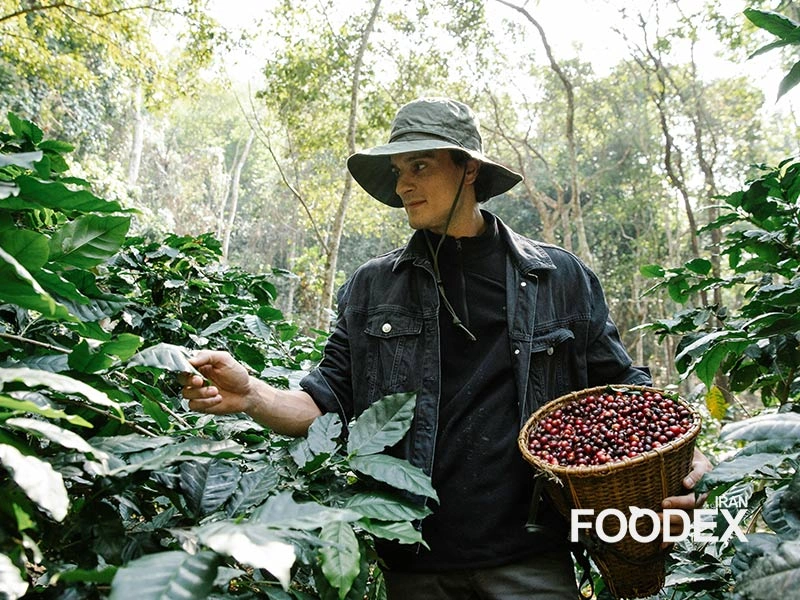
Awareness of the difficult livelihoods of many coffee farmers worldwide has led to movements beyond standard certifications. Focus on fairer pricing that considers the actual costs of sustainable production and provides a decent profit for the farmer, establishing long-term, transparent relationships between buyers and farmers, and empowering farmers through training and access to resources are essential trends in the social aspect of sustainability.
Conclusion of the Trends Section
Coffee traders can look forward to traditional routes combined with innovative approaches. Quality, diversity, sustainability, transparency, and consumer experience are predicted to play bigger roles. With the help of technology, production and trading will become more efficient, and solving significant environmental and social issues will support the sustainability and prosperity of this industry.
Conclusion: A World in a Coffee Cup
Our journey through the complex and fascinating world of coffee—from the raw green beans on high-altitude farms in Ethiopia and Vietnam to the intricate aroma and flavour of an espresso or filter coffee—has shown how this beloved beverage encapsulates a universe of history, culture, science, economics, and human challenges. Coffee is not merely a commodity; it connects millions of farmers, processing and roasting specialists, a vast global trade network, and billions of consumers who start their day with it or share moments over it.
In this comprehensive analysis, we saw how the inherent characteristics of different species (Arabica and Robusta) and countless cultivars, combined with the unique conditions of the growing environment (terroir), lay the initial foundation for quality. We then observed how clever and precise processing methods (washed, natural, honey, etc.) can dramatically alter the flavour profile of these beans, and finally, how the art and science of roasting unlock the ultimate potential of flavour and aroma.
We also learned that the global coffee market is an enormous, dynamic, yet volatile economic ecosystem, influenced by numerous factors ranging from weather patterns to trade policies and financial speculation. Its long and complex supply chain, from farm to cup, faces significant challenges regarding equitable value distribution, maintaining quality, and increasing transparency.
A look at the environmental aspects also revealed that coffee production, like any large-scale agricultural activity, can considerably impact water resources, soil, biodiversity, and climate change. Moving towards sustainability is no longer a luxury choice but an undeniable necessity for the future of this industry. Emerging trends, from the growth of speciality coffee and ready-to-drink beverages to the infusion of technology and increased consumer awareness regarding sustainability and equity, indicate that the coffee industry is constantly adapting and evolving to meet the needs and challenges of today’s world.
For you, as professionals and enthusiasts in the food and agriculture ecosystem—whether you are a producer, trader, roaster, café owner, or service provider—understanding these complexities and dynamics is key to making informed decisions, fostering innovation, and achieving sustainable growth in this competitive market. A more profound knowledge of coffee, from its science to its global economics, helps you better understand your place in the value chain and identify new opportunities.
A greater focus on quality, sustainability, transparency, innovation, and consumer experience will undoubtedly shape the future of the coffee industry. Tomorrow’s coffee will result from a more intelligent interaction between tradition and modernity, humans and nature, and art and science.
Foodex Magazine is proud to assist you on the path to a deeper understanding of this industry by providing comprehensive analyses like this article.
Get to know the brands behind Iran’s food and beverage industry. Browse brand profiles, explore their product ranges and discover the diversity of the market through the Foodex Iran Online Exhibition.
Explore Iran’s food and beverage brands →
Frequently Asked Questions (FAQ)
1- What is the main difference between Arabica and Robusta coffee?
Arabica generally has a more complex flavour and aroma, higher acidity (brightness), and lower caffeine content, and is grown at higher altitudes. Robusta has a more pungent, bitter taste, much higher caffeine content, and a heavier body, and is hardier; it’s often used in espresso blends and instant coffees.
2- Which coffee processing method (Washed, Natural, Honey) is better?
No method is “better”; each creates a different flavour profile. The Washed method yields cleaner flavours and brighter acidity, better showcasing origin characteristics. The Natural method produces more sweetness, body, and intense fruity flavours. The Honey method typically falls between the two, offering good sweetness and body with balanced acidity. The choice depends on taste preference and the desired coffee profile.
3- Is darker roast coffee stronger?
Not necessarily. Flavour intensity and caffeine content are different things. Roast level alone cannot reliably predict the caffeine content of a drink. Coffee dose, bean type, brewing conditions and serving size also matter. Darker roasting therefore does not universally mean either more or less caffeine.
4- What exactly does “Specialty Coffee” mean?
The Specialty Coffee Association (SCA) defines specialty coffee through distinctive attributes that give a coffee or coffee experience additional market value. These may include flavour, aroma, mouthfeel and information such as origin, producer and processing method. The definition goes beyond a single score, such as exceeding 80 points out of 100.
5- What is the best way to store coffee at home?
The best method is to buy coffee as whole beans and grind them before brewing. Beans should be stored in an airtight, opaque container in a cool, dry place, away from direct light and strong odours. Storing coffee (beans or ground) in the refrigerator or freezer is generally not recommended, except under specific conditions with excellent packaging, as it can absorb moisture and odours.
6- Ultimately, is coffee good or bad for health?
Coffee’s effects depend on total caffeine intake and individual circumstances. The FDA cites up to 400 mg of caffeine per day from all sources as an amount not generally associated with negative effects for most adults. This is not an intake target or a guarantee of no adverse effects. Caffeine content varies between drinks, so cup count is an unreliable measure. During pregnancy or breastfeeding, or when considering a medical condition or medication, discuss an appropriate intake with a healthcare professional.
Ehsan Allahverdi
Executive Manager of Foodex Iran